

According to the available studies, the elbow is the most commonly injured area in padel (lateral elbow pain, or “padel elbow”), followed by the knee, the shoulder and the lower back; ankle sprains and calf strains also occur. Many are tendon or muscle injuries linked to overload and repetitive movements. If a problem lasts more than one or two weeks, gets worse when you play or limits your activities, it’s a good idea to get assessed by a physiotherapist.
Padel elbow (lateral elbow pain)
“Padel elbow” is pain on the outside of the elbow related to overload of the tendons that extend the wrist, similar to what is known as tennis elbow. According to the available studies, the elbow is the most commonly injured area in padel.
It usually comes on gradually and hurts when you hit the ball, grip objects or rotate your wrist. Factors such as a sudden increase in playing time, technique or equipment may play a role.
Physiotherapy usually focuses on adjusting your load and progressive therapeutic exercise; some technologies may complement treatment, according to the professional assessment.
Signs it’s time to get checked
- Pain on the outside of the elbow when hitting the ball
- Discomfort when gripping or lifting objects
- Pain that persists for several weeks
Shoulder pain
Shoulder pain in padel is usually related to overhead shots, such as the smash and the bandeja, which repeatedly load the rotator cuff tendons.
You may notice it when raising your arm, when hitting a smash or even when sleeping on that side. Mobility, shoulder and shoulder-blade strength, and technique are all reviewed during the assessment.
Signs it’s time to get checked
- Pain when raising your arm or hitting a smash
- Loss of strength
- Pain at night
Ankle sprain
An ankle sprain is an injury to the ligaments that usually happens when you land awkwardly during a change of direction or step on the ball. It is common in racket sports.
Ankle sprains often recur. Regaining mobility, strength and balance before returning to the court matters: exercise, especially balance and neuromuscular training, helps restore stability and lowers the risk of re-injury.
Signs it’s time to get checked
- Swelling or bruising
- Difficulty putting weight on your foot
- A feeling of instability
Calf strain
A calf strain, sometimes called “tennis leg,” is a tear in the fibers of the calf muscle that usually occurs during a sudden start or stop.
Many people describe it as feeling like they were hit in the back of the leg. If you suspect one, it’s best to stop playing and see a professional so the injury can be assessed.
Signs it’s time to get checked
- Sudden pain in the calf
- Difficulty walking or rising onto your toes
Lower back pain
Lower back pain in padel players is often related to repeated trunk rotation and bent-over postures during play.
In most cases, staying active with an appropriate load and working on trunk mobility and strength are part of the approach. An assessment helps determine which exercises are right for you.
Signs it’s time to get checked
- Pain that doesn’t improve within one or two weeks
- Pain that radiates down the leg
Knee pain
Knee problems in padel are usually related to changes of direction, sudden stops and repeated bending, which load the tendons, menisci and ligaments.
Depending on the type of problem, the assessment may include movement tests and, if the professional considers it useful, diagnostic ultrasound to look at the soft tissues.
Signs it’s time to get checked
- Swelling
- A locking sensation or a feeling that the knee “gives way”
- Pain going up or down stairs
How to prevent padel injuries
- 01
Warm up for 10 minutes before playing: mobility, activation and easy strokes.
- 02
Increase your playing time gradually, especially if you are just starting out.
- 03
Include strength work for your legs, trunk, shoulders and forearms during the week.
- 04
Wear padel-specific shoes and make sure your racket is right for you.
- 05
Respect your rest days and don’t ignore aches that keep coming back.
- 06
Get a functional assessment if you are returning to play after an injury.
Frequently asked questions
When should I see a physiotherapist for pain from playing padel?
If the pain lasts more than one or two weeks, gets worse when you play, shows up earlier each time or limits your daily life, it’s a good idea to get assessed. If you have sudden, severe pain, a visible deformity or cannot put weight on the limb, seek medical care.
Can I keep playing padel while I have pain?
It depends on the injury. In many cases it is possible to adjust your load instead of stopping completely, but that decision should be made after a professional assessment.
Where can I get sports rehabilitation near the padel courts in Panama?
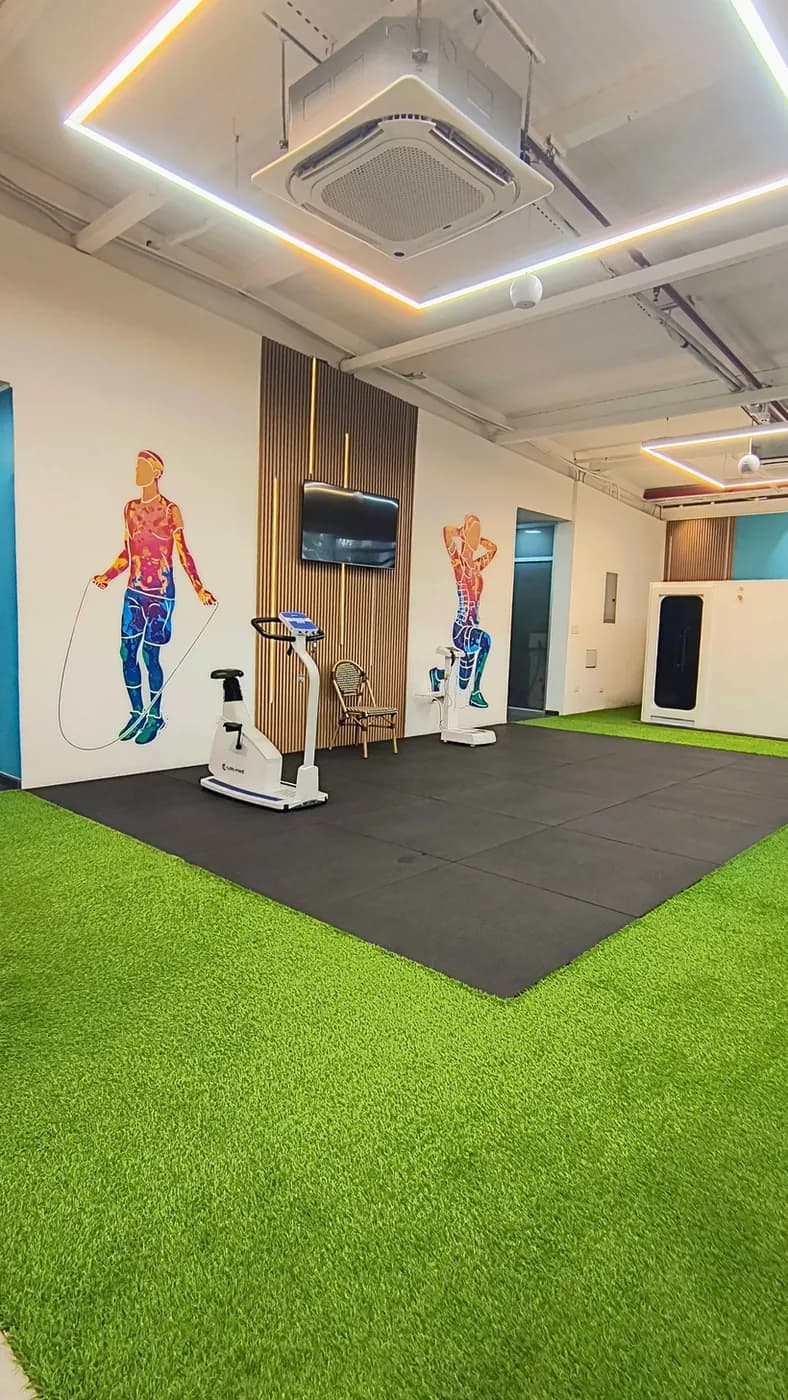
Park and Padel Wellness Center is located inside the Park and Padel club in Obarrio, Panama City, and offers functional assessment, sports rehabilitation and injury prevention.
References
- Dahmen J, Emanuel KS, Fontanellas-Fes A, et al. Incidence, prevalence and nature of injuries in padel: a systematic review. BMJ Open Sport Exerc Med. 2023;9(2):e001607. doi.org/10.1136/bmjsem-2023-001607
- Coombes BK, Bisset L, Vicenzino B. Management of lateral elbow tendinopathy: one size does not fit all. J Orthop Sports Phys Ther. 2015;45(11):938-49. doi.org/10.2519/jospt.2015.5841
- Vuurberg G, Hoorntje A, Wink LM, et al. Diagnosis, treatment and prevention of ankle sprains: update of an evidence-based clinical guideline. Br J Sports Med. 2018;52(15):956. doi.org/10.1136/bjsports-2017-098106
- Doherty C, Bleakley C, Delahunt E, et al. Treatment and prevention of acute and recurrent ankle sprain: an overview of systematic reviews with meta-analysis. Br J Sports Med. 2017;51(2):113-25. doi.org/10.1136/bjsports-2016-096178
- National Institute for Health and Care Excellence. Low back pain and sciatica in over 16s: assessment and management [NG59]. London: NICE; 2016 [updated 2026 Jul 29]. www.nice.org.uk/guidance/ng59
Related services
This guide offers general information and does not replace a professional assessment. If you have sudden severe pain, a visible deformity or can’t bear weight, seek medical care.